
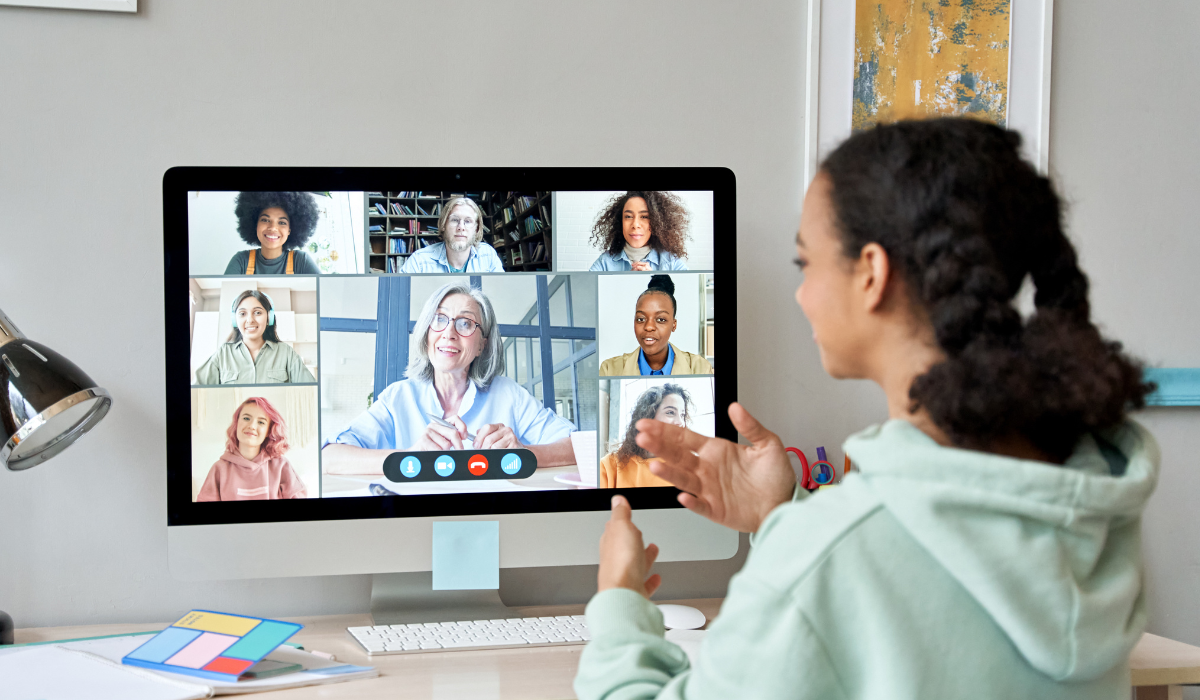
Virtual education is web-based learning designed to meet different student needs. For some, online learning is a perfect fit, for others it can be a challenge. If your child has an Individualized Education Program (IEP), there are specific rights and responsibilities you should know to ensure they receive a Free Appropriate Public Education (FAPE).
Is Virtual Learning the Right Fit?
Before enrolling, it is helpful to consider if a virtual environment matches your child’s learning style. Success often depends on:
-
Time Management: Can your child stay on pace without direct, in-person supervision?
-
Communication: Is your child comfortable asking for help via email, text, or video call?
-
Support at Home: How much daily assistance can you or another caregiver provide?
Your Child’s IEP in a Virtual School
If you choose a virtual school, your child’s IEP travels with them. Whether it is a virtual charter school or a program run by your local district, the school must provide the services and accommodations listed in the IEP.
-
IEP Team Decisions: The decision to move to virtual learning—and how services will be delivered—must be made by the IEP Team (which includes the parent). It cannot be a general “one-size-fits-all” policy by the school. You are the expert on your child. If you feel the virtual environment isn’t working, you can request a meeting with the IEP Team to discuss your concerns.
-
Service Delivery: Related services (like speech or occupational therapy) may be provided virtually or in-person. The team must determine what is necessary for your child to make progress.
-
Monitoring Progress: If a student is not making progress in the virtual setting, the IEP Team must meet to determine if a different environment or additional supports are necessary.
-
Least Restrictive Environment: LRE is not a specific place, but a principle ensuring students are educated with their non-disabled peers to the maximum extent appropriate. There are various instructional delivery methods within virtual learning. Virtual learning will look different depending on how instruction is delivered with respect to the level of interaction afforded to participating students. There is a continuum with varying levels of restrictiveness related to the degree of interaction with general education peers and exposure to the general education curriculum.
Key Resources for Michigan Families
-
Successfully Navigating Virtual Education for Students with IEPs A manual from MDE on how to ensure your child’s needs are met in a virtual setting.
-
FAQ: Virtual Education for Students with Disabilities Common questions about FAPE, LRE, and school responsibilities.
-
Michigan Virtual Parent Guide Practical tips for supporting an online learner.
-
Alt+Shift Online Learning Resources Technical assistance for assistive technology (AT) and accessible digital materials.
At no time may a district unilaterally move a student to a virtual environment based solely on behavioral concerns.
Virtual learning cannot be used as an alternative to discipline for any student with a disability without the provision of discipline protections. Removing a student from their classroom without first providing proper behavioral supports or following required discipline protections may result in an inappropriately restrictive placement and a denial of FAPE. Discipline protections include a Manifestation Determination Review, a Functional Behavioral Assessment as needed, and the development, review, or revision of a Behavior Intervention Plan.
More information is available on: