
Be sure to visit our IFSP webpage to see how Natural Environment considerations factor into the IFSP process.
What do you mean by natural environment?
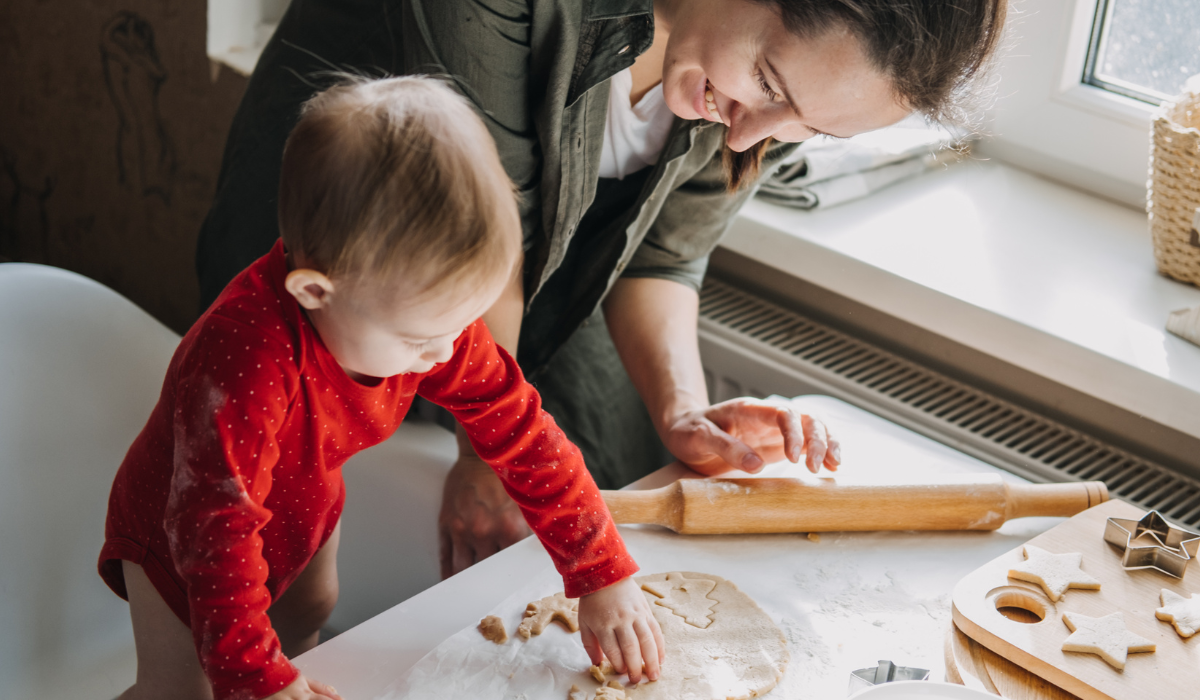
IDEA states that, to the maximum extent appropriate, children must receive services in a setting that is natural for an infant or toddler of the same age who does not have a developmental delay or disability. This is referred to as the natural environment, which can include the home or any place the child spends the day, such as childcare centers, grandma’s house, playgrounds, libraries, or other community spaces. Because every family’s routines and needs are different, each child’s natural environment will look a little different.
More than just a physical place, the natural environment also includes familiar people, activities, and materials. Children tend to learn and perform better when they are comfortable and engaged, so it is important to ask: Where is the child most comfortable? Where is the child most engaged?
Why does natural environment matter?
Providing services in natural environments allows children to practice skills in real-life situations and helps families easily integrate learning into their daily routines. Skills are learned during everyday life, not in a clinical setting.
A natural environment includes where your child lives and plays. But it’s more than just a place. The natural environment also includes materials, people, and activities the child knows well. Children tend to do better when they are in familiar surroundings.
By using the natural environment, the child is more comfortable and engaged. It makes it easier for the family to work with the child in practicing new skills that are already a part of their routine.
Settings: home, backyard, relative’s home, childcare site, park
Materials: toys, books, swings, grass, spoons
People: parents, siblings, neighbors, friends
Activities: eating, bathing, family vehicle, playing, walking, grocery trips
And the natural environment may change as the child develops. The natural environment for a 2-month-old may not be the same for a 22-month-old. The natural environment can be discussed and evaluated at the IFSP meeting. If families prefer not to have services in their home, other community settings can be chosen.
Who decides where Early On services will be provided?
The parent is an important part of the IFSP team which works together to determine where services will be provided. Parents know their child’s natural environment and regular routines. The team may determine that a service will not be provided in a natural environment only if the child’s needs cannot be met satisfactorily there. For example, if the child’s services require specialized equipment that is only available in a hospital or clinic, the IFSP must include a written justification. This explains why the service is being provided in another setting, how the skills will be carried over into daily routines, and a plan with supports and timelines to return to services in natural environments as soon as possible.
- Providing Early Intervention Services in Natural Environments
- Early On Michigan Part C State on Plan
What is the difference between natural environment and least restrictive environment?
By the time a child turns three, services are now provided by the local district instead of by Early On. Early intervention uses the term natural environments. School age students must be educated in the Least Restrictive Environment. LRE means that children with disabilities receive services in typical childhood settings and programs whenever possible, and only go to more restrictive/specialized settings if a child’s individual needs require it.
The starting point for any LRE discussion begins with where the child would attend school if they did not have a disability. This must be the first placement option considered before a more restrictive placement is considered. Every school district is required to offer a continuum of placement options to meet the needs of preschoolers who receive special education services.